

The Evolution of Human Optimization
For decades, the bathroom scale has been the primary arbiter of health, a crude instrument that fails to capture the intricate biochemical reality of human vitality. We are entering a new era of biological data where Beyond the Scale: How to Use Continuous Glucose Monitoring to Optimize Metabolic Flexibility for Peak Performance becomes the blueprint for elite wellness. By leveraging real-time data from a Continuous Glucose Monitor (CGM), high-achievers are shifting from reactive health management to proactive, data-driven metabolic optimization.
Metabolic flexibility—the body’s ability to seamlessly switch between burning glucose and fatty acids—is the hallmark of longevity and high performance. If you struggle with energy slumps or brain fog, you may be missing the insights found in your blood sugar trends. Integrating these insights is as critical to your personal biology as integrating modern software systems into legacy infrastructure.

Understanding the Metabolic Advantage
A CGM provides a minute-by-minute window into your glucose variability. Unlike a simple finger prick test, which is a static snapshot, a CGM offers a moving picture. When you maintain stable glucose, you prevent the insulin spikes that drive inflammation, fat storage, and cellular exhaustion. This is essential for those who need to maintain peak cognitive function, much like how businesses must evaluate the ROI on their software investments, as discussed in our guide on Microsoft Copilot vs Google Gemini enterprise pricing.
Identifying Your Personal Glucose Triggers
Everyone reacts differently to food. A bowl of oatmeal that causes a massive spike in one individual might result in a flatline for another due to differences in the gut microbiome and insulin sensitivity. Using a CGM allows you to audit your diet empirically. You stop guessing what healthy looks like and start measuring it.
- The Morning Baseline: Measure your fasting glucose and how quickly you recover from a meal.
- The Exercise Response: Monitor how high-intensity training impacts your blood sugar levels compared to steady-state cardio.
- Stress and Sleep: Observe how poor sleep or acute work-related stress forces your liver to dump glucose into your bloodstream.
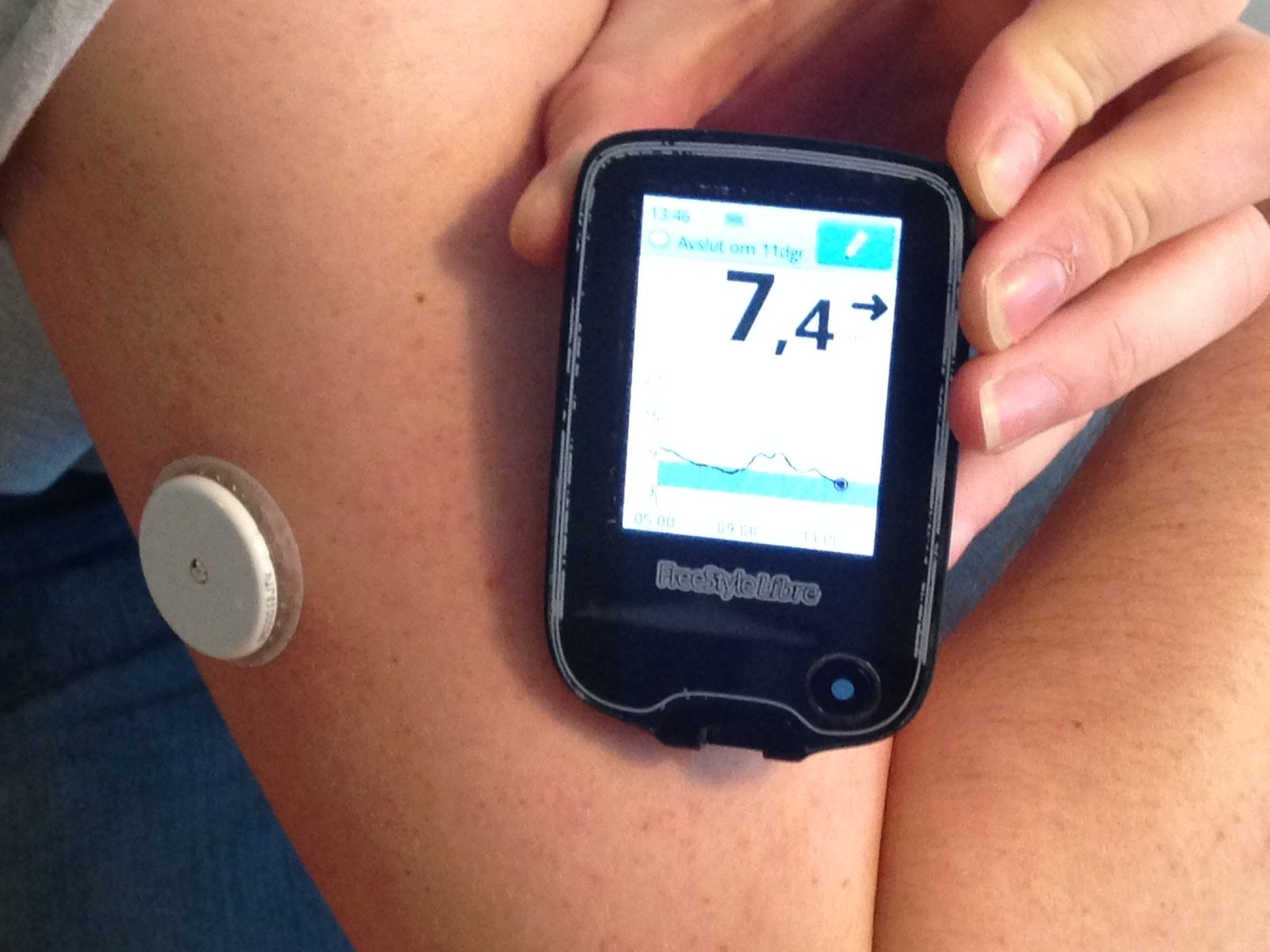
Implementation: Beyond the Scale: How to Use Continuous Glucose Monitoring to Optimize Metabolic Flexibility for Peak Performance
To truly optimize, you must move beyond just avoiding sugar. True metabolic flexibility is about training your body to be resilient under varying fueling conditions. According to the CDC guidelines on diabetes management, CGM technology is becoming a standard for tracking metabolic health. By tracking your glucose, you can time your carbohydrate intake around your workouts to ensure energy availability when you need it most, without the subsequent ‘crash’ that ruins afternoon productivity.
“Metabolic flexibility is not just about avoiding peaks; it is about the body’s ability to return to a baseline state of equilibrium efficiently.”
Consider the cumulative impact of these small metabolic wins. Just as you might use free online PDF tools to streamline document workflows, using a CGM streamlines your physical energy management.
The Future of Biohacking and Longevity
As wearable technology advances, we are looking toward a future of predictive health. The data gathered from your CGM today will inform the precision nutrition protocols of tomorrow. By mastering your glucose, you are effectively reducing the metabolic load on your system, which correlates with lower systemic inflammation and improved markers of longevity. We are moving away from the era of ‘one size fits all’ health and into a bespoke, data-backed reality. When you finally embrace the idea that there is more to health than the number on a scale, you unlock the ability to perform at a higher level, consistently, for the long term.
Frequently Asked Questions (FAQs)
What is metabolic flexibility?
Metabolic flexibility is the capacity of the body to adapt fuel oxidation to fuel availability. A flexible metabolism can easily switch between burning stored fat and carbohydrates based on physical activity and dietary intake.
Can I use a CGM if I do not have diabetes?
Yes, many health enthusiasts and high-performers use CGMs to gain actionable insights into how specific foods, stress, and sleep patterns impact their blood sugar, allowing for personalized nutrition.
How long should I wear a CGM to see results?
Most experts recommend a 14-day trial period, which covers two full cycles of life events, meals, and workouts, providing enough data to identify trends and personal triggers.
Does glucose variability affect cognitive performance?
Significant spikes and crashes in blood sugar are often associated with energy dips, brain fog, and decreased focus. Stable glucose levels support consistent mental energy throughout the day.